Cold brew isn't simply cold coffee. It's a removal design that changes how scents raise, just how sugars existing, and how acidity beings in the cup. If you like cold mixture, choosing beans is not about following your preferred coffee roaster and expecting the best. You require a roast profile that cooperates with a lengthy steep in cool water, a grind that acts during purification, and a distribution timetable that keeps volatile aromatics from fading before you make. After running coffee shops that set 12 to 20 litres a day, and testing too many mail-order coffees to count, I have actually found out how to pick beans that make cool mixture shine, plus which Coffee Beans Delivery services really get them to your door at peak flavor.
What cool mixture desires from a bean
Cold developing extracts less acids and less unstable compounds than warm developing. That's why a washed Kenyan that glows in a pour-over can taste muted or hollow when soaked cold. You desire beans with enough intrinsic sweet taste and body to finish a 12 to 18 hour removal. Beginning and handling matter, but roast technique matters more than the majority of people expect.
Medium to medium-dark roasts have a tendency to produce the most forgiving, chocolate-forward cool mixtures. They generate soluble substances that dissolve well at cooler temperatures, providing syrupy appearance without bitterness. Light roasts can function if they are developed long enough to stay clear of verdant notes, and if the coffee has a lot of ripe fruit character. All-natural or honey refined coffees commonly bring berry or stone fruit to the cup, though they can turn jammy if the roast is too dark. Washed coffees bring clearness, yet you need enough roast growth to avoid thin, tea-like results.
If you choose concentrate, beans with robust sugar and chocolate notes take care of dilution gracefully. If you brew ready-to-drink toughness, look for beans with pronounced sweet taste and a pleasant level of acidity that still glances through the cold.
Freshness, distribution timing, and why a couple of days matter
Cold mixture does not need beans baked the other day. Actually, I inform customers to allow beans relax 4 to 7 days post roast before brewing cold. Carbon dioxide needs time to off-gas. If you grind and high beans roasted the same day, you can get spiky aromatics and irregular extraction. That indicates Coffee Beans Delivery schedules issue. The most effective business roast-to-order, ship within 24 to 72 hours, and deal predictable distribution windows. For many areas, coffee that lands at your door between day 3 and day 7 after roast will certainly taste best for cool brew, and will remain in the pocket for a minimum of 2 weeks if kept well.
Packaging likewise matters. One-way valve bags expand service life by venting gas without letting oxygen in. Entire bean defeats pre-ground for cool brew because grind size is vital, and pre-ground can stagnant in a day or more once opened. If you need pre-ground, demand a work classified crude for cool mixture and purchase smaller bag sizes to cycle through quickly.
Roast level, beginning, and handling combinations that work
For delicious chocolate, sugar, and nutty accounts, aim to Latin America. Brazil naturals, Colombia washed, Guatemala Huehuetenango, and Mexico Chiapas roasted to a comfy tool supply the backbone that cold mixture incentives. For fruit, attempt Ethiopia naturals or honey processed Costa Rica, however push the roast a fifty percent shade darker than you would for pour-over to coax sweetness at lower removal temperature levels. For spice and depth, a Sumatra wet-hulled coffee at medium-dark can be stunning in milk or tonic, though it will certainly lean natural. Blends can be superb too. A Brazil base with a touch of Ethiopia can check out as chocolate and cherry soda pop over ice.
In blind sampling panels I've run for café food selections, the crowd faves for cool brew seldom originated from the lightest roasts, also when the hot cups were magnificent. The winning cups continually well balanced chocolate and brownish sugar with a hint of fruit, and they aged beautifully in the refrigerator for two days without falling down. That aging stability is underrated if you batch brew.
Grind, proportion, and steeping considerations that affect bean choice
Cold brew dishes vary wildly, however 2 variables interact with bean choice greater than the majority of people recognize: grind dimension and proportion. Grind too fine, and also a magnificently baked Colombia can transform silty, with a boring bitterness that isn't the bean's fault. Crude grind, concerning the texture of extremely rugged sea salt, reduces debris and prevents overextraction during a lengthy steep. If your mill has a hard time to go crude regularly, consider beans that are less oily which sit in the tool variety. Oily, darker roasts can create irregular feeding on some home mills, resulting in a mix of penalties and boulders.
For proportions, I maintain two anchors. For concentrate, 1:4 by weight, steeped 14 to 18 hours at space temperature level, then diluted 1:1 with water or milk when offering. For ready-to-drink, 1:8 to 1:10 by weight, soaked 12 to 16 hours. Beans with popular cacao and low citrus do far better at the concentrate ratio, particularly if you plan to use milk. If you like gleaming fruit tones and drink black over ice, select beans that show rock fruit or berry and run them closer to 1:8, so you preserve nuance.
Water structure likewise contributes. Tough water can flatten acidity and highlight roast resentment. If your faucet water presses over 120 ppm solidity, consider filtered water or a developing water with well balanced bicarbonates. When I switch over water sources, I tweak work prior to criticizing the beans.
What distribution services solve for chilly brew
A Coffee Beans Delivery service is more than a carrier. The great ones roast to order, ship fast, interact roast day, and allow you regulate frequency. The exceptional ones likewise comprehend cold brew and will lead you to beans that fit your taste and devices. Receptive client service issues when a bag shows up late or tastes incorrect. I look for 3 useful signals.
First, roast day published clearly on the bag instead of a best-by day. Second, the choice to select grind collection to cool brew, even if I choose entire bean. It reveals they understand the use instance and will certainly help in a pinch. Third, truthful taste notes and handling openness. You must see beginning, procedure, altitude, and a concept of roast level. If you see vague descriptors and no roast day, keep shopping.
Shipping speed is not everything, however uniformity is. A roaster that ships the same day weekly frequently defeats a quicker one that ships unpredictably. If your delivery regularly gets here a day after roast, strategy to make after a 48 to 72 hour remainder. If shipments take five days, purpose to make soon after arrival and established the next order a bit sooner.
Coffee Beans Delivery Australia: sensible picks and quirks
Australia's coffee scene knows milk beverages and brilliant coffee, yet there are roasters who roast with chilly mixture in mind. Distribution times inside Australia are usually quick, 2 to four days regionally, which is outstanding for hitting that remainder window. The quirks are weather condition and range. In summertime, warmth direct exposure during transportation can be a concern. Bags left in straight sun on a front door will suffer. Pick services that offer monitoring with delivery directions, or an option to hold at the blog post office.
Regional roasters with multiple roasting days per week offer you the most effective possibility of landing coffee at day 3 to five message roast. If you remain in Perth and buying from Melbourne, ground delivery can press shipment right into day six or 7. That's still usable, however prepare your brew schedule accordingly, and err towards beans with durable chocolate and sugar that age extra gracefully. Numerous Australian roasters additionally use subscription tiers that revolve beginning while keeping a consistent roast profile. For cold mixture, that uniformity aids. If a roaster uses a "filter tool" or "house blend" with notes like milk delicious chocolate and hazelnut, that's a reputable baseline for day-to-day chilly mixture. For a fruit-forward weekend break set, seek their seasonal natural Ethiopia or honey Costa Rica at a tool roast.
Building a trustworthy cool brew routine with delivered beans
Good cool brew is repeatable. The routine issues as long as the brand on the bag. Beginning by aligning your shipment cadence to your consumption. If you undergo 500 grams every 2 weeks, established shipment to fortnightly, not monthly, and keep a buffer bag for emergencies. Store unopened bags in a trendy, dry cabinet. Avoid the fridge or fridge freezer for temporary storage due to the fact that condensation can develop when you open and close the bag.
When a shipment shows up, examine the roast day. If it's within 48 hours, let it remainder. Day three to seven is the wonderful area for most medium roasts. Grind fresh prior to developing. If you brew large batches, keep in mind the moment, temperature, and ratio in a notebook or on your phone. When a set pops, circle the variables and videotape the bean. Gradually you'll find the roasters and beginnings that rarely miss.
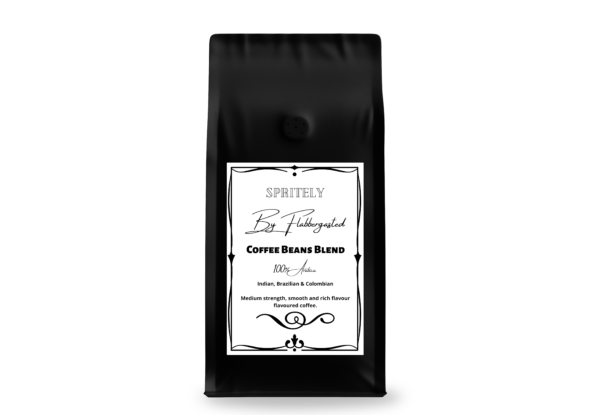
If you make concentrate, taste it unmixed to comprehend the core taste. Then add water or milk in little increments. Many people weaken too aggressively and blame the beans for a watery mug. For milk beverages, a Brazil-forward mix with a touch of Ethiopia frequently makes a delicious chocolate milkshake result that endures ice. For tonic or soft drink, a tidy, medium-roast washed Ethiopia can taste like citrus spritz.
Trade-offs when you chase fruit
Everyone desires the cool brew that tastes like blueberry pie. Those cups exist, but they come with compromises. Natural Ethiopias can be exuberant, yet set variation is real. One lot preferences like blackberry jam, the next skews fermenty, and in cold brew that can check out as winey in such a way that not everybody appreciates. Darkening the roast a little can tame the wild edges, but you may lose some perfume.
Light-roast African coffees also push your mill harder. Attaining an even coarse work on thick beans stress low-end burr mills. You'll see even more penalties, and penalties in cool mixture lead to silt and a murky finish. If you're dedicated to fruit-forward beans and you're obtaining sludge, tip up one notch in grind coarseness and reduce the high by an hour or 2. You can likewise try out cold-bloom strategies, where you put a small amount of warm water over the premises to start removal, then add cold water. This can pull aromatics without overextracting the base. It's fussy, and you lose some of the cool brew's simpleness, however on the right bean it opens flavor.
A short purchaser's list for cool brew subscriptions
- Roast-to-order with clear roast days, not simply best-by dates Shipping that lands beans 3 to 7 days post roast in your location Origin and process openness with truthful taste notes Option to choose entire bean or a crude grind classified for cool brew Flexible scheduling and receptive assistance for distribution issues
Beans that regularly benefit cool mixture styles
Every roaster's catalog changes, yet certain accounts repeat throughout seasons. If you're brand-new to Coffee Beans Delivery and desire a safe bet, start with a Brazil natural, medium roast. Anticipate chocolate, peanut weak, low acidity, and a velvety appearance that takes milk and dilution well. Pair that with a Colombia washed, tool, oriented toward sugar and red apple. Use it as a base or solo. For a fruit accent, turn a seasonal Ethiopia natural at medium-light to medium to avoid yard and maintain sweetness.
If you like strong flavor, Sumatra wet-hulled at medium-dark provides seasoning and tobacco, though it can control blends. Use it in tiny portions or solo for a traditional profile that's superior over ice with a squeeze of orange peel. For sweet taste without weight, a Guatemala Huehuetenango at medium yields cocoa and mild stone fruit. It holds its framework in the refrigerator for two days much better than many fruitier coffees.
One pattern I trust: blends marketed for coffee but roasted on the lighter side of coffee can function remarkably for chilly brew. They are created to provide body and sweetness with convenient level of acidity. When made chilly, they come to be chocolate milk with a foundation. If a roaster identifies a blend "milk delicious chocolate, almond, toffee," you're in secure territory.
Scaling up at home without damaging clarity
Larger sets typically fail because individuals stuff excessive coffee right into inadequate space. Cold brew needs area for water to circulate via grounds. If you're utilizing a pitcher, aim for a coffee bed much less than 8 to 10 centimeters deep. Mix at the start to eliminate dry pockets, however midway via the high using a mild up-and-down activity, not a violent swirl that shreds the filter bag. If you make in a Toddy or comparable system, stand up to need to load the filter with fine grounds to "extract https://canvas.instructure.com/eportfolios/3428407/mylesvmgw845/comparing-nang-vs-standard-baking-products-in-melbourne much more." You'll get even more fines in the mug and a muddier texture.
Paper filtration includes gloss. Brew in a mesh or fabric bag, then pass the concentrate via a rinsed paper filter. It can take 10 to 20 mins to trickle through, yet the mug gains clarity and stays cleaner in the fridge. That additional action specifically aids with all-natural refined coffees that shed more fines.
Troubleshooting common off flavors
If your chilly mixture preferences sour and slim, however the beans need to be chocolatey, you most likely underextracted. Grind finer by a half action or include an hour of steep. If it tastes bitter and completely dry, reduce high time or coarsen the work. If it tastes woody or papery, check water top quality and filter selection. Paper filters that aren't washed can include a refined papery taint. If the cup preferences stagnant, check shipment timing and storage. Beans sitting open for 2 weeks will lose shimmer. Acquire smaller sized bags or boost shipment frequency.
If you get a ferment note that checks out like over ripe fruit or white wine, take a look at the processing and roast. All-natural refined coffees push in this way. Some people like it. If you do not, button to washed or honey processes or select a different whole lot. Shipment isn't at fault for that one.
Choosing the Best Coffee Beans Delivery for your habits
The phrase Best Coffee Beans Delivery seems like a global, yet the very best for cool brew relies on what you consume alcohol, how commonly, and where you live. For somebody developing two liters every weekend break, the top selection is a roaster that can deliver medium-roast Latin coffees on a foreseeable schedule with bags arriving in the day 3 to five variety after roast. For someone chasing fruit-forward cups in summertime, the most effective may be a registration that rotates Ethiopian and Central American naturals and gives you regulate over avoid, stop briefly, and grind.
Geography alters the calculus. If you're remote, a roaster with several once a week roast days helps counter transit time. If you're in a dense urban hallway, same-week shipment opens fresher options. International customers should mind customs delays and heat exposure. Vacuum-sealed bags with a valve aid, however nothing replaces short shipping windows.
In Australia, balance roast style and delivery lane. A Melbourne roaster delivering to Sydney in two days gives you a limited window to make at the height. If you enjoy lighter roasts for cool brew, closer is far better to prevent the monotony that creeps in by week 3. If you lean darker, you can endure an additional day or two without much penalty. Numerous Coffee Beans Delivery Australia solutions are happy to recommend beans especially for cool brew. Take them up on it. Describe what you such as in simple language, not coffee jargon, and let their cuppers guide you.
Small experiments that pay dividends
Two quick tests can reveal whether a provided bean fits your cold mixture choices. Initially, split a batch. Steep fifty percent for 12 hours and fifty percent for 18, very same ratio and work. Preference alongside. You'll immediately see which instructions the bean prefers. Second, try a 10 percent mix. Include 10 percent of a fruit-forward coffee to a chocolate-heavy base. That tiny enhancement can relocate the cup from level to lively without taking the chance of a ferment bomb.
If a brand-new bag underwhelms, don't throw it. Shift its role. Use it in a cool brew tonic with a slice of citrus, or as a concentrate for affogato over vanilla ice cream. Some coffees that fall brief in straight black cold mixture ended up being stars with a pairing.
A concise roadmap for dialing new beans
- Check roast day and rest 3 to 5 days before brewing Start with 1:8 ratio, crude grind, 14 hour steep at area temperature Taste pure, after that thin down in 5 to 10 percent increments Adjust grind before readjusting proportion if the mug is harsh or thin Note water firmness and think about a filtered or balanced brewing water
Final ideas from bench and the doorstep
Cold brew rewards restriction and planning. The ideal beans make it very easy, and the right shipment routines maintain you in great coffee without waste. Pick profiles that naturally fit the approach, straighten shipping to your remainder home window, and document what works. Whether you're clicking through a Best Coffee Beans Delivery checklist or selecting a local roaster's subscription, concentrate on roast clarity, delivering predictability, and truthfully explained taste. For Australia, add one more filter, the shipping lane, and support roasters close enough to hit your timing home window. The remainder is easy practice: coarse grind, client steep, clean filtering, and a glass loaded with something you look forward to.